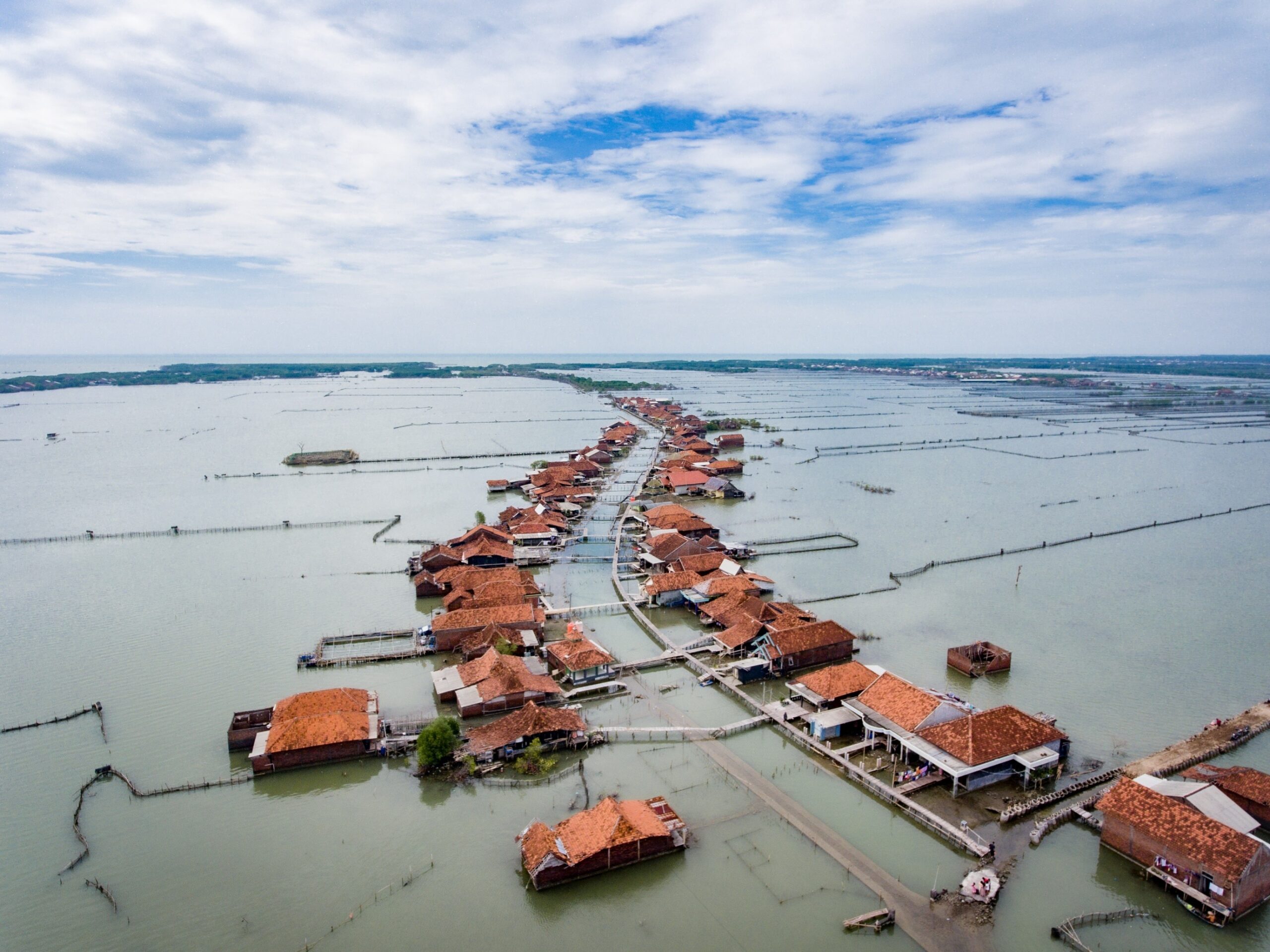
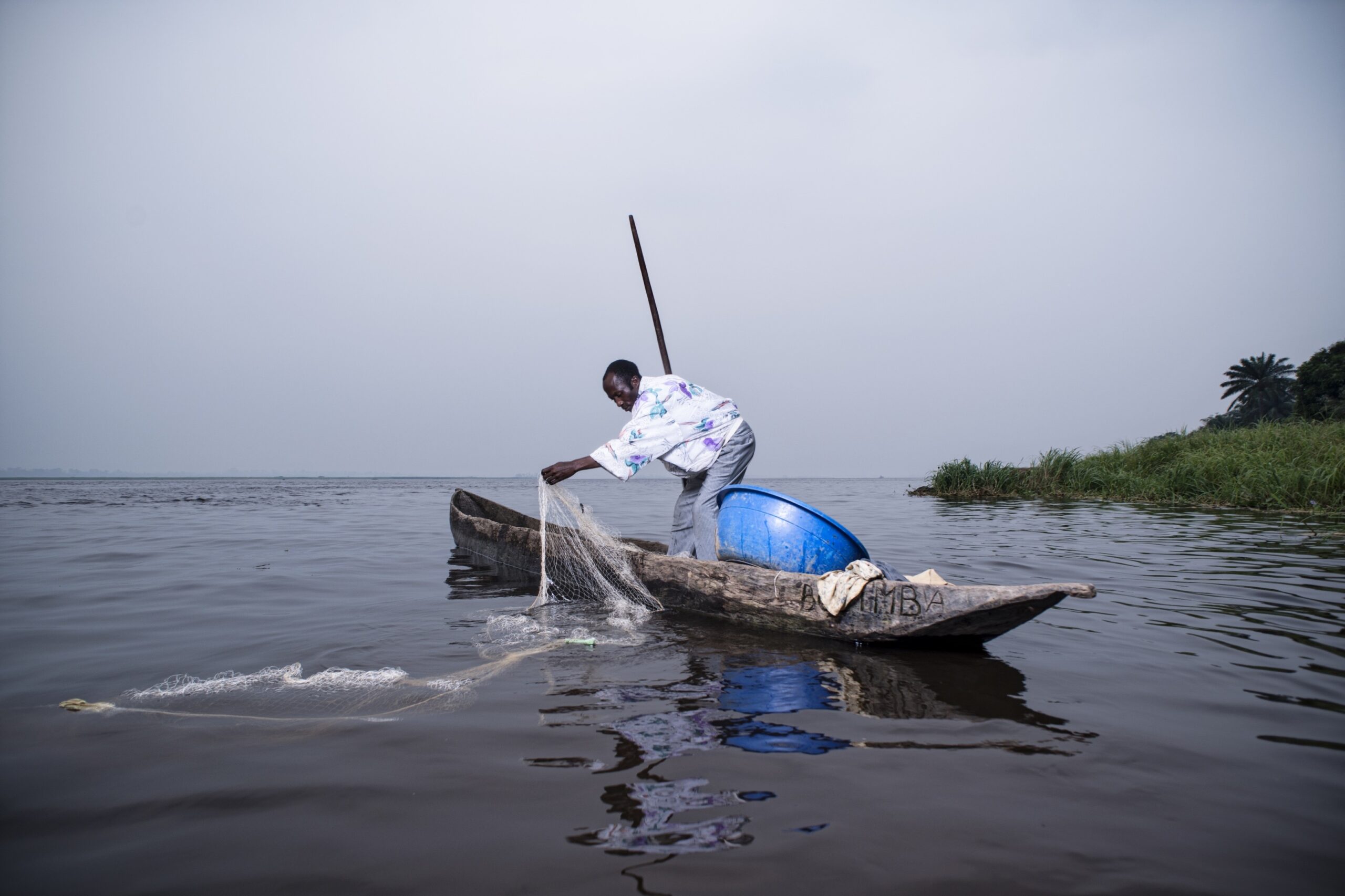
Ghana’s Blue Economy harnesses our rich water resources for sustainable growth, jobs, and environmental protection. Through innovation and responsible stewardship, we ensure a thriving future for our oceans, lakes, and rivers.
VISION
To become a world-class centre for inland and blue resources research and influence policy formulation
Mission
To identify ways to effectively manage inland water and ocean resources for sustainability through social and scientific research, providing accurate information for management decisions and policy formation
GIBEC
Executive Summary
The Blue Economy is a sustainable approach that harnesses ocean and inland water resources for economic growth, job creation, and improved livelihoods, while ensuring environmental protection. It includes key sectors such as fisheries, aquaculture, maritime transport, renewable energy, and tourism. Recognized by global institutions like the World Bank, Commonwealth of Nations, and European Commission, it promotes responsible stewardship of marine and freshwater resources.
In Africa, the African Union (AU) highlights the importance of both coastal and land-linked nations in maintaining maritime security and fostering a thriving blue economy. For Ghana, the Blue Economy is vital due to the country’s rich water resources, including the Gulf of Guinea, Volta Lake, and major rivers like the Pra, Oti, Offin, and Tano. These water bodies support millions of livelihoods through fishing, transportation, and trade.
However, challenges such as illegal fishing, pollution, and resource depletion threaten sustainability. By adopting innovative policies, research-driven solutions, and strong governance, Ghana can maximize the benefits of its blue resources while ensuring long-term environmental protection and economic resilience.
At GIBEC, we are committed to research, policy development, and innovative solutions to protect Ghana’s inland and blue economy.